
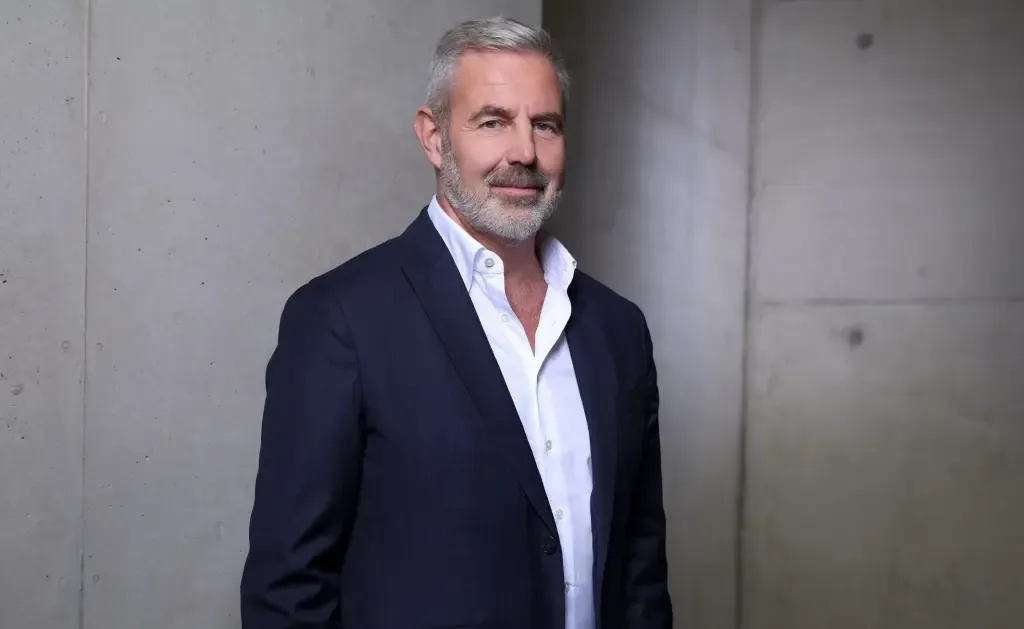
Energy costs have been climbing across Europe, a squeeze made worse by the fallout from the Iran-U.S. conflict and a string of policy decisions that have left the continent, Germany especially, working with depleted reserves. For most industrial companies, that's simply a cost problem to absorb. For GEA Group, a German engineering company that builds machinery for food, drink, and pharmaceutical production, it has become a sales pitch.
GEA's technology sits inside dairy plants, drying operations, fermentation lines, freezing systems, and packaging facilities, exactly the kind of energy-intensive industrial operations that rising power costs hit hardest. "A lot of companies are struggling with high energy costs," CEO Stefan Klebert has said, and those companies are increasingly willing to pay for equipment that cuts consumption meaningfully rather than at the margins.
That shift shows up directly in how Klebert has redirected his engineers. Rather than chase incremental efficiency gains, he has pushed the company toward what he calls step-change reductions. "Don't innovate to find 15 percent more output," he has said. "Same thing with 30 to 40 percent less energy." The clearest example so far is a project built for Arla, the Danish organic dairy producer: an industrial heat pump paired with a milk spray dryer that cut the plant's total energy consumption by more than half without reducing how much it produces.