
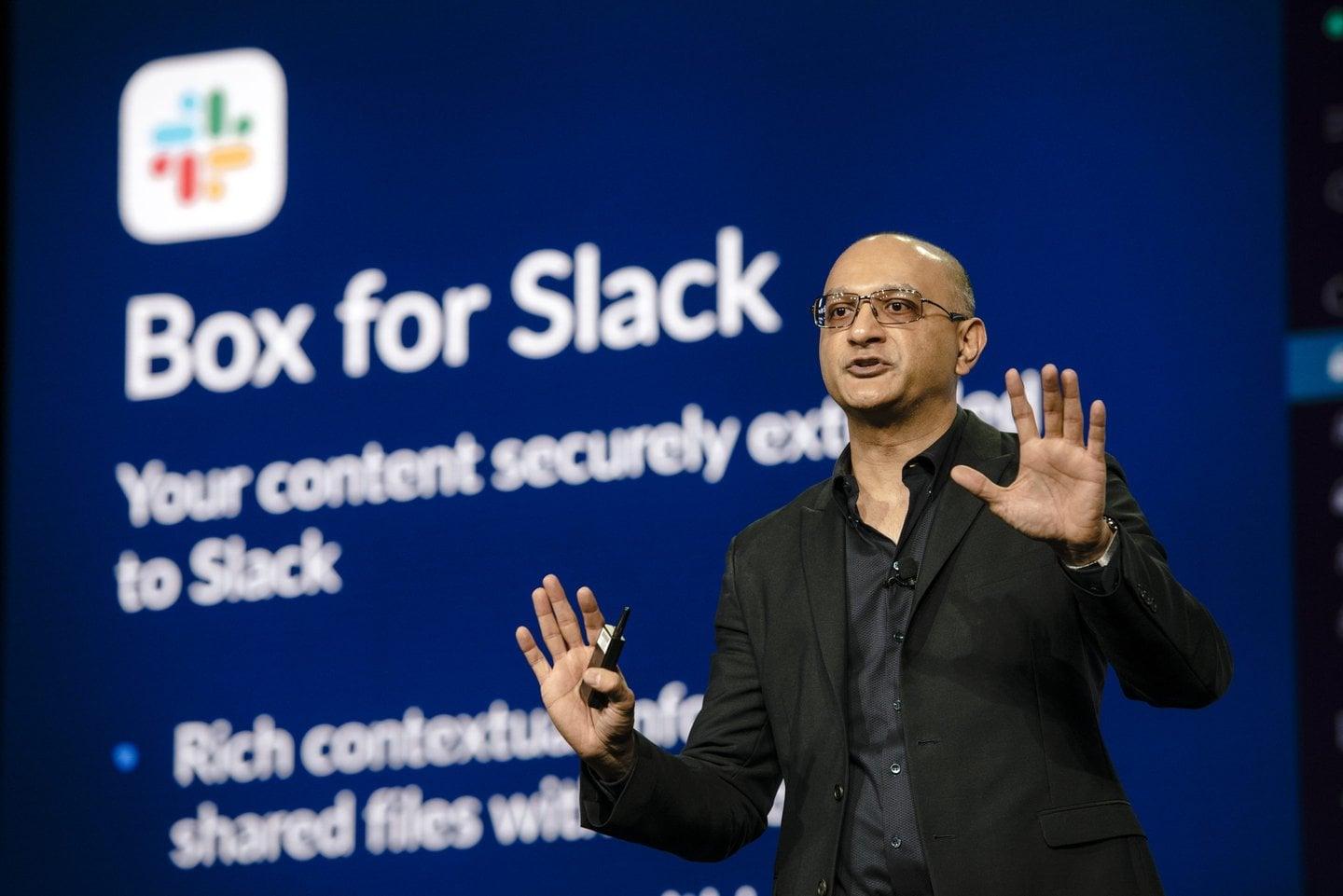
Cisco president and chief product officer Jeetu Patel has a simple rule for meetings: if you use an acronym that is not widely understood, he may end the meeting on the spot. The unusual stance is part of a broader effort to make the technology giant's culture more inclusive and to stop insiders from talking past one another.
Patel told Fortune that he dislikes acronyms invented inside Cisco, especially ones that spring up casually in conversation. He recalled an incident where staff referred to him as "JP" without realising it. "I'm like, who's JP? He's like, that's Jeetu Patel. I don't even go by JP," he said. The moment illustrated how quickly internal shorthand can become confusing even to the people it describes.
Why acronyms matter
Patel's concern is not about grammar. He argues that company-specific acronyms make new employees feel too embarrassed to ask what they mean. In meetings, they stay quiet rather than interrupt. The result is that a large slice of the workforce nods along without understanding the discussion.
At Cisco's scale, the numbers add up. Patel estimates that 5% to 10% annual turnover means roughly 9,000 new people join each year, or about 27,000 over three years. That could be a third of the workforce. If those newcomers cannot follow the jargon, decisions are being made with only part of the room engaged.
"How is anything efficient that a third of your company does not even understand what you're talking about?" he asked. His solution is to give new hires explicit permission to stop any meeting at any point if communication is unclear. For senior leaders, he has a sharper message: if you cannot explain yourself in plain language, "you don't deserve to be in the seat that you're in."
Part of a wider CEO trend
Patel is not the only executive rewriting meeting rules. Amazon founder Jeff Bezos famously bans PowerPoints and starts meetings with a six-page memo that everyone reads in silence for 30 minutes. The goal is to ensure nobody can pretend to have done the reading.