
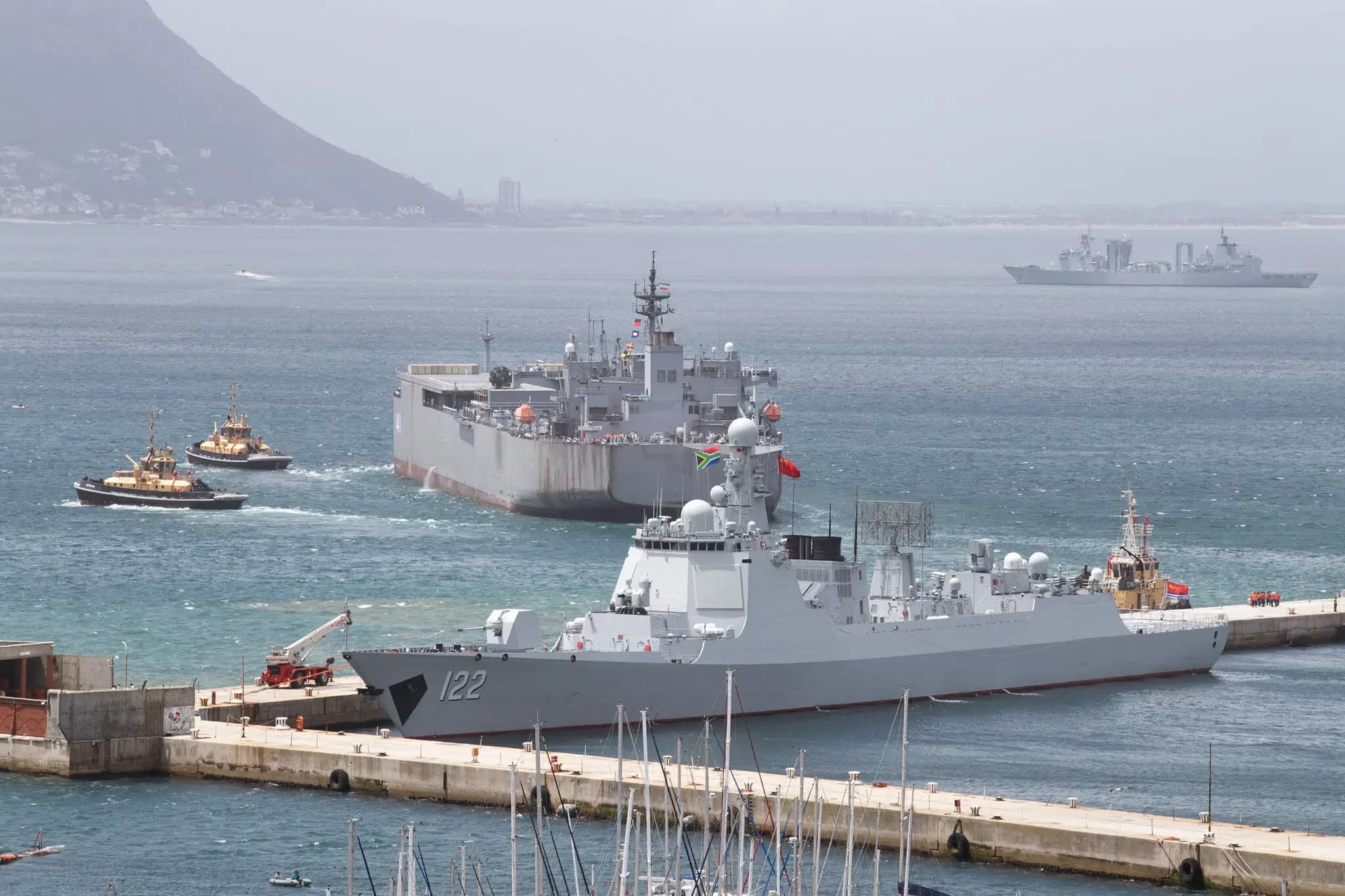
China sailed a guided-missile frigate into Cape Town in January as part of a joint naval exercise with Russia and Iran, a show of force near one of the world's busiest shipping lanes that reads differently now than it did at the time. Weeks later the United States and Israel opened a sweeping air campaign against Iran, and the fallout from that war has pushed back the biggest date on Washington and Beijing's diplomatic calendar, a summit between President Trump and Xi Jinping.
The campaign against Iran, which US and Israeli officials have referred to as Operation Epic Fury, began on February 28 with strikes that killed Iran's Supreme Leader, Ayatollah Ali Khamenei, according to multiple news reports. Trump had been due in Beijing by the end of March, but he told reporters he needed to stay in Washington while the war played out and asked Xi to push the trip back by about a month. The two leaders are now expected to meet on May 14 and 15, roughly six weeks later than first planned.
The delay matters because China has more riding on the outcome in Iran than almost any other outside power. Beijing imported roughly 1.38 million barrels of Iranian crude a day in 2025, about 13 percent of its seaborne oil imports and a large share of the discounted supply that has helped keep Chinese refiners and manufacturers competitive. Reporting in early March described the American strikes on Iran as an early test of a fragile truce between Washington and Beijing that predates the war, and officials on both sides now describe the run up to the summit as newly complicated by the conflict.