Sweetgreen Will Pay Its Best Managers $200,000 to Train the Next Generation
The fast-casual salad chain is betting that big paychecks for experienced managers will improve service, retention, and the pipeline of future restaurant leaders.
Sweetgreen is raising the stakes for its restaurant managers. Starting in the first quarter of 2027, the company's most experienced general managers, known internally as head coaches, will be eligible to earn more than $200,000 a year in base salary. The figure does not include a revenue-sharing bonus or stock awards, which can push total compensation even higher.
The plan, announced by chief executive Jonathan Neman, is built around a simple idea: the best run Sweetgreen locations have great leaders, and great leaders should be paid like senior professionals. Neman has spent years visiting restaurants and concluded that the gap between a good store and a bad one almost always comes down to who is running it.
Who qualifies
The top tier is reserved for head coaches who meet several criteria. They need at least three years with the company and must lead some of the chain's busiest locations. The company estimates that only 10% to 12% of head coaches will hit every threshold right away, meaning a few dozen managers will immediately see their pay jump.
But the plan is not limited to a small club. Many managers are expected to receive raises of 30% to 50% as part of the broader compensation overhaul. When Neman announced the changes on a video call with roughly 300 managers, he said there were tears on nearly every screen. He called it the proudest moment of his 19 years at the company.
Building a pipeline of leaders
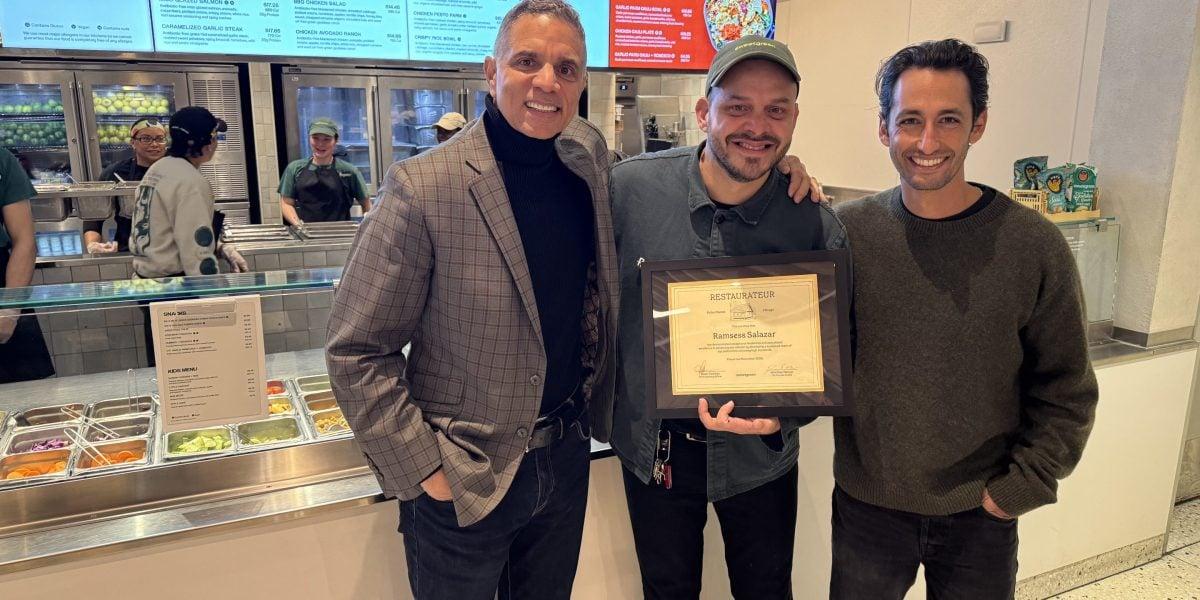
Sweetgreen also wants its best managers to become trainers. The company has introduced a restaurateur program that pays head coaches $10,000 for every employee they develop into a head coach, with no cap on how many times they can earn the bonus. The goal is to turn experienced managers into a talent factory that feeds the chain's expansion.
Ramsess Salazar, who started at Sweetgreen eight years ago making salads, now runs the busy Fulton Market store in Chicago and trains the managers who will open the company's next restaurants. Maddie MacCoun, another head coach in Northern California, joined the Berkeley store at 18 and moved from shift leader to trainer to assistant coach before becoming a head coach this year. Their paths are exactly the kind the company wants to replicate.
A bet on people over short-term margins
The move is expensive. Sweetgreen is still losing money, and comparable-store sales fell 6.4% in the third quarter. The company has warned that the new pay plan will trim restaurant margins next year. Neman's response is that the investment will pay off through better service, lower turnover, and stronger store performance.
He points to companies such as Costco, Trader Joe's, In-N-Out, and Chick-fil-A as proof that paying workers well can be a competitive advantage rather than a cost burden. Those chains are known for consistent service and loyal employees, and Neman believes Sweetgreen can build the same reputation in fast-casual dining.
The American dream argument
Neman has framed the pay plan in broader terms. He argues that the American dream is under attack and that companies have a responsibility to create paths for ordinary workers to build meaningful careers. Sweetgreen's proposal is meant to show that a job in a restaurant kitchen can lead to a six-figure income and equity in a public company.
Whether that promise holds will depend on execution. The restaurant industry has a long history of high turnover and thin margins, and ambitious pay plans can unravel quickly if sales do not improve. For now, Sweetgreen is signaling that it would rather invest in its people than protect next year's profitability.
What it means for the industry
If the plan works, it could raise the bar for manager compensation across fast-casual dining. Competitors already struggle to find and keep experienced operators, and a $200,000 benchmark would make Sweetgreen an attractive destination for talent. Other chains may feel pressure to follow suit or risk losing their best managers.
For customers, the hope is that better-paid managers create better-run restaurants. In a business where speed, accuracy, and food quality matter, the person running the shift may be the most important factor of all. Sweetgreen is betting that paying that person like a genuine professional is the smartest investment it can make.